
Understand Your Antibody Tests
Clear, accurate, and unbiased education about antibody testing — empowering you to make informed decisions about your health.
Key Topics in Antibody Testing
Everything you need to know about how antibody tests work, what they detect, and how to evaluate their reliability.
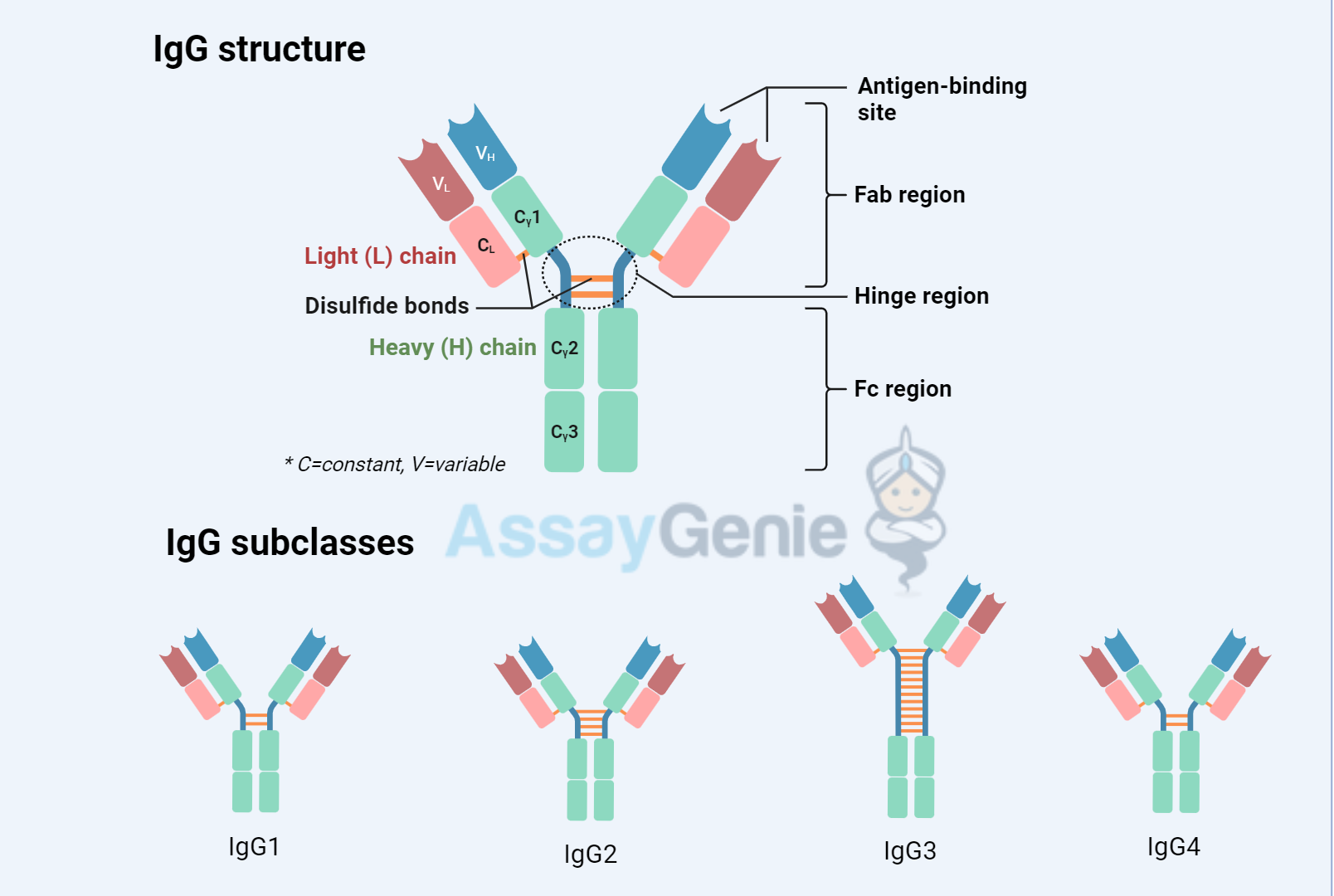
What Are Antibodies?
Antibodies (immunoglobulins) are Y-shaped proteins produced by your immune system to identify and neutralize pathogens like viruses and bacteria. The main classes — IgG, IgM, and IgA — each serve a unique role in your immune defense.
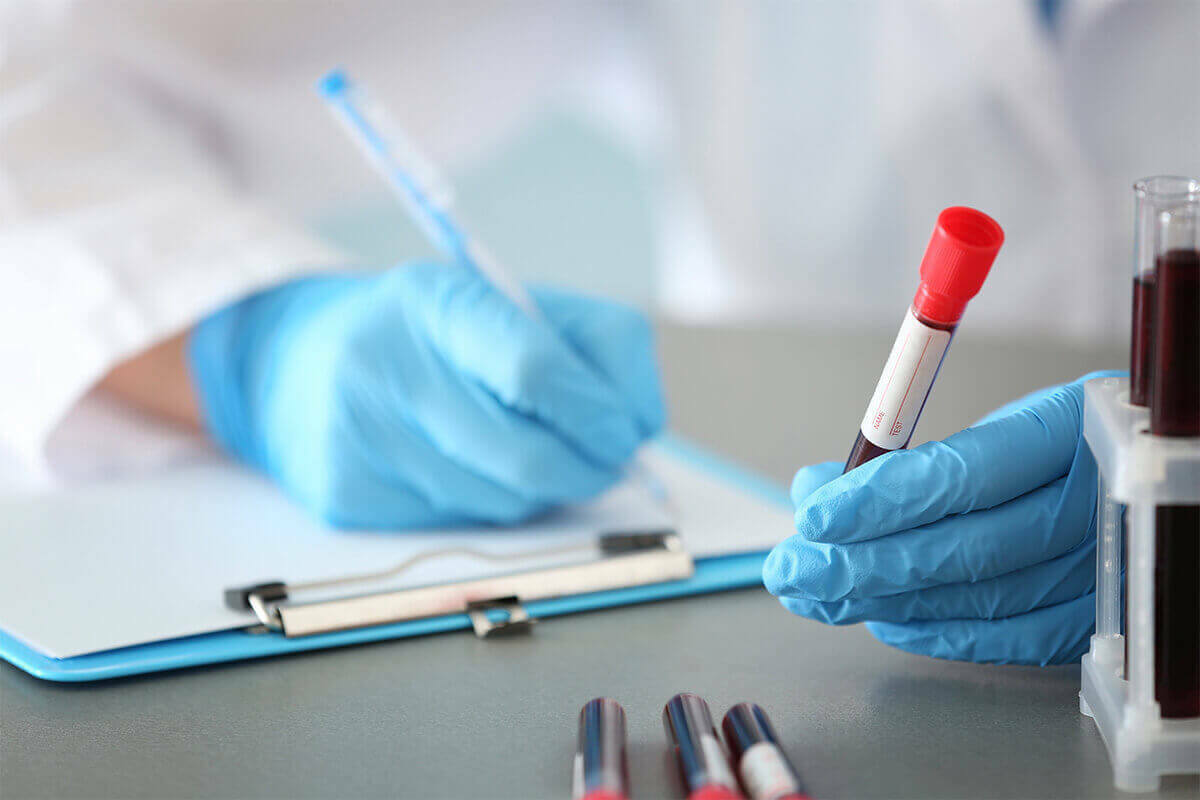
How Antibody Tests Work
Serology tests detect antibodies in your blood serum, plasma, or whole blood. Common methods include ELISA, Chemiluminescence (CLIA), and rapid Lateral Flow tests. They reveal past infection or immune response — not current active infection.
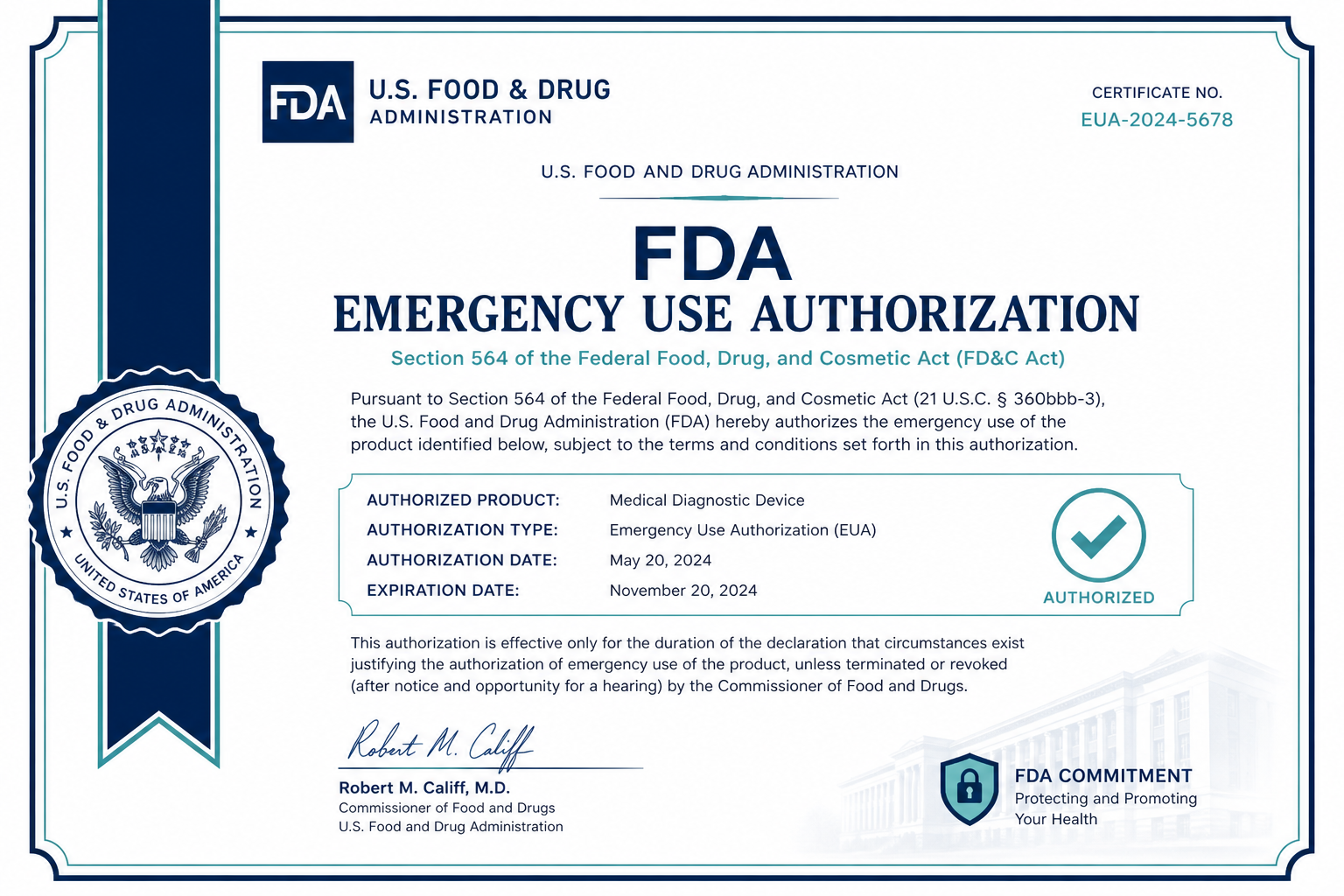
FDA Authorization Explained
The FDA authorizes antibody tests through Emergency Use Authorization (EUA) after validating sensitivity and specificity. An FDA-authorized test has undergone independent evaluation — always verify your test against the FDA's official list.
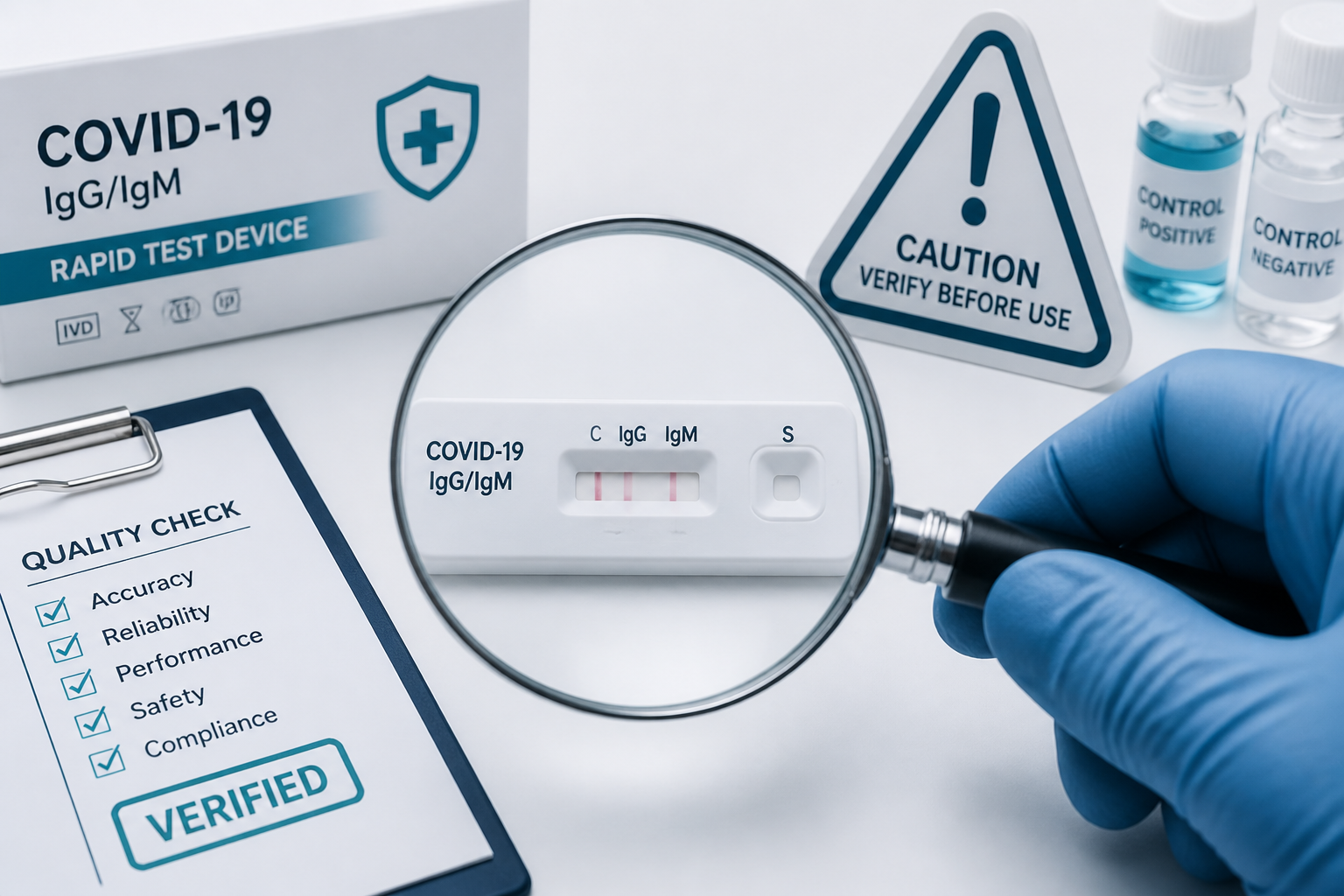
Spotting Unreliable Tests
Watch for red flags: claims of diagnosing active infection, promises of confirming immunity, missing lot numbers, no FDA authorization, or "miracle" marketing language. If a test sounds too good to be true, verify it before trusting the results.
Why Antibody Test Education Matters
During the early COVID-19 pandemic, hundreds of unvalidated and fraudulent antibody tests flooded the market — some marketed with false claims about diagnosing active infections or confirming immunity. The FDA issued over 180 warning letters to companies selling unapproved products. Understanding what these tests can and cannot tell you is essential for making safe, informed health decisions.
180+
FDA Warning Letters Issued
Letters sent to companies marketing unapproved COVID-19 tests and treatments since 2020
90+
FDA-Authorized Serology Tests
Tests that have passed independent evaluation for sensitivity and specificity
3
Antibody Classes
IgG, IgM, and IgA — each playing a distinct role in your immune response
1–3 Wks
Detection Window
Typical time for antibodies to become detectable after infection
Know Your Test Type
There are binding antibody tests and neutralizing antibody tests. Only neutralizing antibody tests measure functional ability to block viral infection in laboratory settings.
Understand the Limitations
A positive result shows past infection or vaccination response — it does not diagnose active infection, confirm immunity, or predict how long protection lasts.
Verify Before You Trust
Always check the FDA's official list of authorized tests. Look for proper labeling, lot numbers, and manufacturer details. Report suspicious products to the FDA.